Culture is not decoration.
It is competitive infrastructure.
We rebuild the cultural authority that matches your leadership. Not a rebrand. Not decoration. A complete realignment of identity, positioning, communication, and space.
The Reality
The market has changed. Expectations have evolved.
Clients, partners, and investors no longer respond only to execution. They respond to clarity, positioning, and cultural relevance. Companies that communicate a strong and coherent identity are perceived differently. They attract better opportunities and operate at a higher level.
Those that do not remain interchangeable, regardless of the quality of their work.
The Impact
This misalignment affects how the business performs.
It influences who reaches out, how the company is valued, and the level of trust it commands. Before any conversation begins, perception is already shaping the outcome.
The result is often subtle but consistent. Lower quality opportunities. Longer decision cycles. A need to explain what should be immediately understood.
Our Approach
We bring the business and its perception back into alignment.
We work across identity, positioning, communication, and space to create a coherent system. We examine and refine every element to ensure a clear understanding of the company's operations.
This is not a surface intervention. It is a structured process that connects strategy with tangible expression.
Who We Work With
Founders and CEOs whose
success has created a new
kind of problem.
-
The Company Has Evolved. The Identity Has Not.
Revenue has scaled. Leadership has matured. The original brand identity — built for a different moment — no longer reflects the company you have become. The dissonance is felt before it is named.
-
The Spaces Do Not Speak.
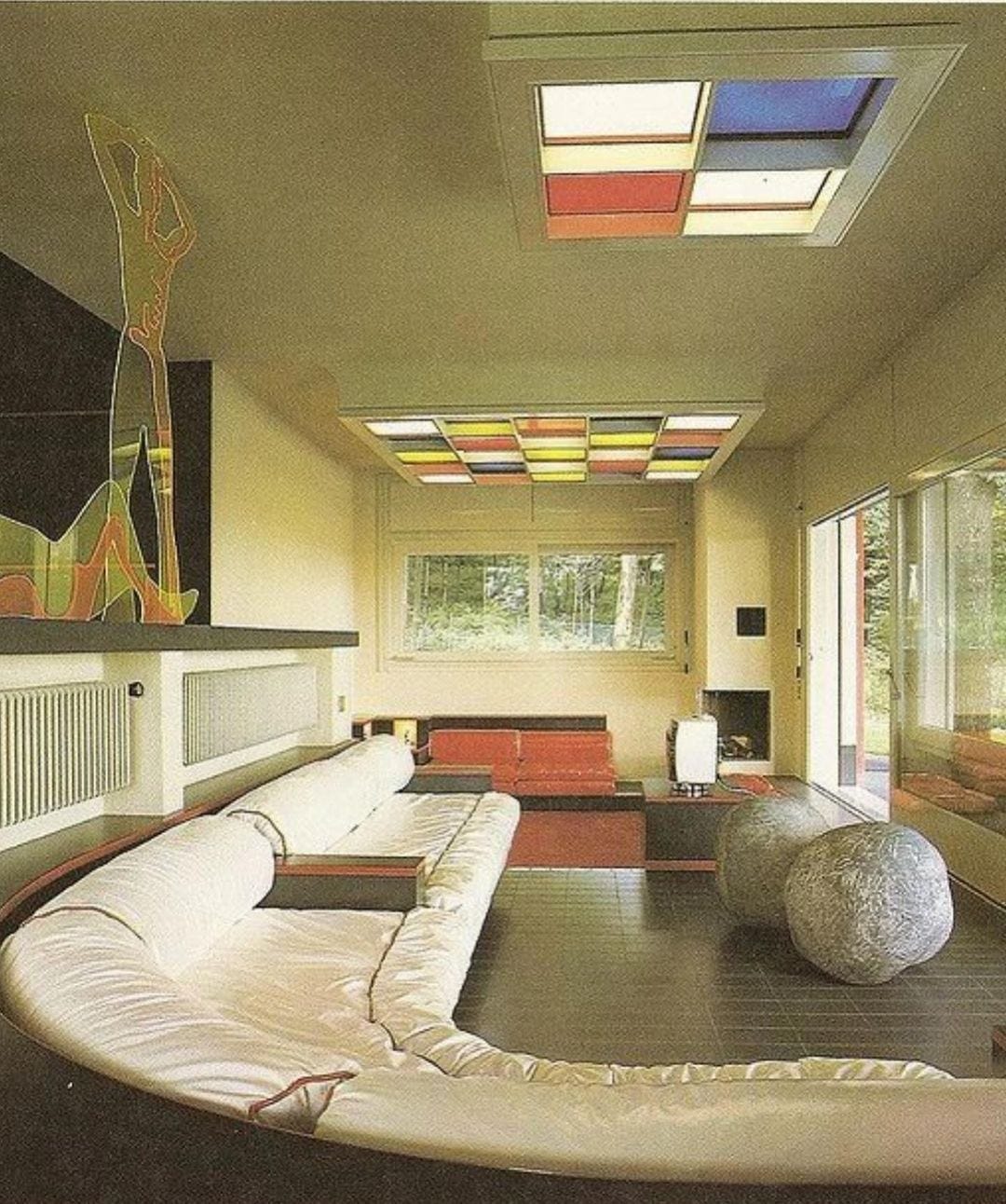
Offices, hospitality environments, and client-facing spaces tell a story. Most tell the wrong one – or none at all. Art placed without intention and objects chosen without narrative produce silence where authority should live.
-
The Communication Lacks Conviction.
Positioning, language, and editorial voice should compound over time. When they remain generic, a company that has earned genuine authority continues to sound like every other company in the room.
“The problem is never aesthetic. It is always structural. Culture is the operating system. Identity is only the interface.”
The Gap and Why It Widens
In the early stages of building, a founder's personality fills the cultural void. Their taste, their energy, their relationships carry the company's identity. This works when the organisation is small enough for that personal authority to be directly felt. It stops working the moment the company scales beyond what one person can personally touch.
What remains — the physical spaces, the written language, the objects chosen without intention — begins to tell a different story. Often a story from three years ago. Sometimes a story that was never quite right. The gap between where the founder now stands and what the company still communicates grows wider with every year of growth.
What Culture Actually Does
Culture is not what a company believes about itself. It is what every room, every object, every sentence says — and whether those things speak with one voice or several contradictory ones.
The founders and CEOs we work with have usually done the hard work already. They have built something with genuine substance. What they need is not more strategy decks. They need the external world to finally see what they have built.
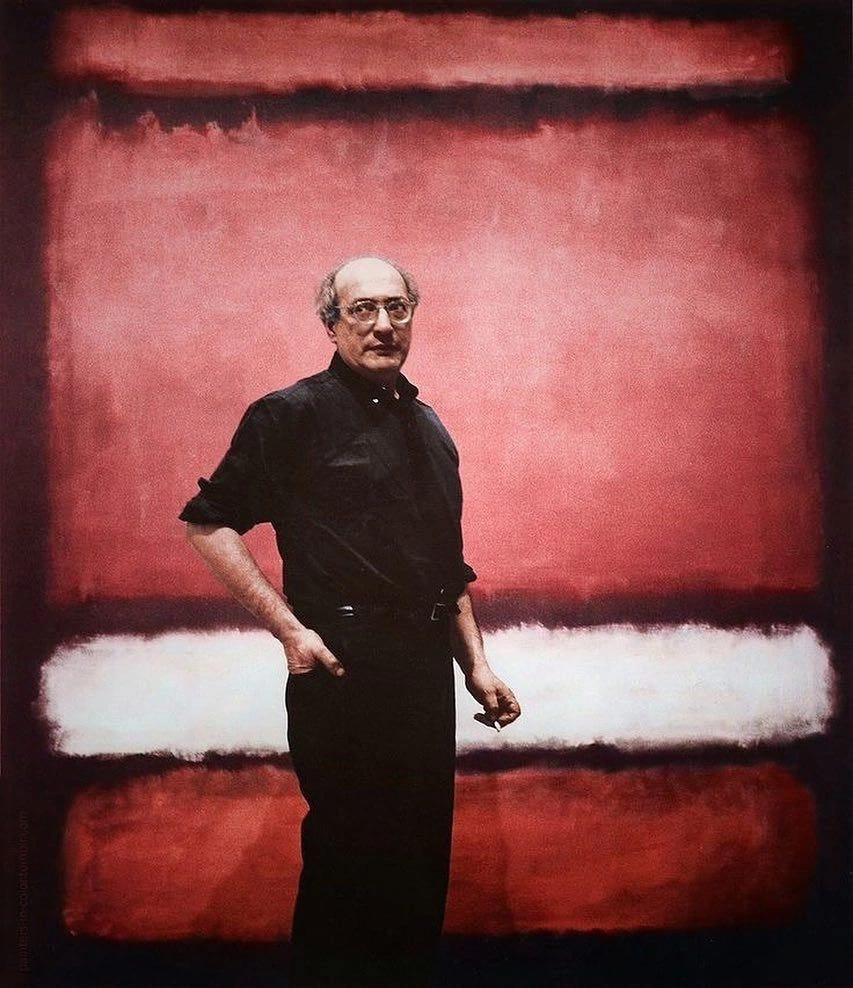
This is why we do not place art into spaces the way most advisors do. We do not ask which piece fits the wall. We ask what the wall needs to say, and then we find the work that says it. The difference is between decorating a room and giving a company its character.
“We do not make the art fit the space. We build the environment where everything speaks together in harmony.”
How We Work
A structured approach, not a one-time project.
We begin with a detailed analysis of how the company currently presents itself. This includes reviewing spaces, materials, communication, and overall positioning.
We identify gaps between perception and reality, then define a clear direction. From there, we implement changes across all relevant areas, ensuring alignment at every level.
The process is iterative and precise, allowing the business to evolve without losing coherence.
Outcome
A company that is understood, valued, and positioned correctly.
The transformation is visible, measurable, and cumulative. It changes how the business is perceived, how it operates, and what it attracts.
-
Perception Shift
• Clear positioning in the market
• Stronger first impression across all touchpoints
• Immediate recognition of value and quality
• Distinction from competitors operating in the same space
-
Business Impact
• Higher quality clients and collaborations
• Increased pricing power and perceived value
• Shorter decision cycles and faster alignment
• Greater consistency in the type of opportunities attracted
-
Internal Clarity
• Stronger alignment across teams and leadership
• Clear direction for future decisions
• Reduced need for constant explanation
• A shared understanding of what the company represents
-
Market Position
• Ability to move beyond price-based competition
• Recognition within a more elevated peer group
• Entry into higher-level conversations and networks
• Stronger relevance in a saturated market
-
Spatial & Experiential Impact
• Environments that communicate authority instantly
• Cohesive experience across physical and digital spaces
• Objects and art that reinforce identity, not dilute it
• Spaces that support business development, not just aesthetics
-
Long-Term Value
• A brand that compounds over time
• Stronger resilience to market shifts
• Increased brand equity and intangible value
• Foundations for scale without losing coherence